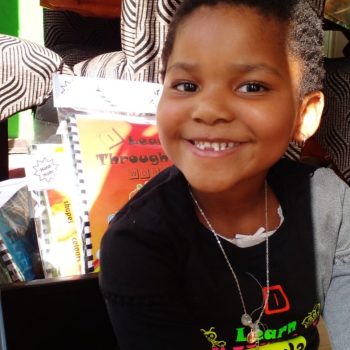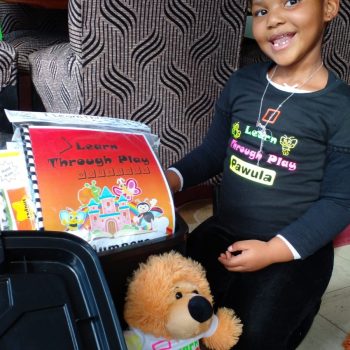
I Learn Through Play
- Is the perfect educational gift for your little one.
- The series has been evaluated by the Department Inclusive Education’s occupational therapist.
- It covers all the Early Learning Development Areas (ELDAs) for toddlers 0-5 years.
- It also covers the development areas required by CAPS for children over 5 years.
- These activity books help to develop Language, Maths and Social skills.
- Our children’s books are user friendly and easy to understand.

Have fun learning and playing!
Development
Visualising
Children need to learn different skills at different ages. A child needs to build on the building blocks of their development phase. In other words: a 2 year old must first learn to point out their body parts, then name them before identifying what each body part does. Associations can then be made to help them learn. For example: your nose is small while my nose is big.
Cutting
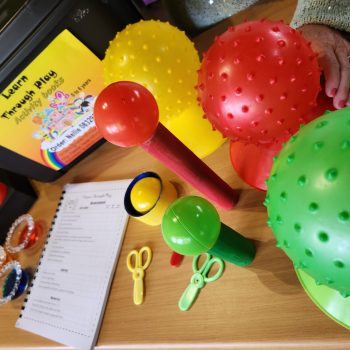
1- to 3-year-olds should only use plastic scissors to learn the action and movements of cutting. Their fingers must learn how to hold the scissors and how to open and close it. 4- to 6-year-old kids can start cutting on a line.
Kids learn faster when multiple senses are used. For 1- to 3-year-old toddler one can show pictures in magazines and story books. Walk with them through the house and point out numbers and colours. Show the shapes found throughout the house, even when preparing food. You will tell 2-year-old toddlers that the kettle in the kitchen is hot. 3- to 5-year-olds can be asked what happens to the water in the kettle when we switch it on. Ask them to point out different shapes throughout the house, to count the cars passing by on the way to the store, etc. These informal chats teach the child skills and broaden their vocabulary.
Writing
Pasting
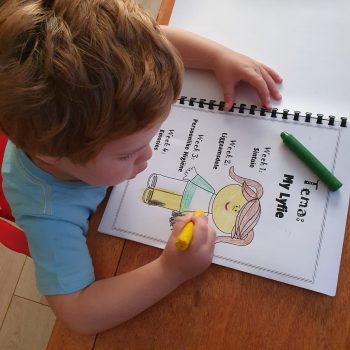
1-to-2-year-olds should be given thick, short crayons and paint brushes with which they learn to write and paint. They must first learn how to hold a crayon and paint brush. They are now only learning what the words paint and draw mean. Let them only use one colour to paint or colour a page. At this age they only have to follow the dotted line with their fingers or draw shapes in sand or flour. As soon as they have mastered holding a pencil, older kids can be offered thinner paint brushes and crayons. Do not force the child to use their right hand when cutting or drawing. They will develop their dominant hand on their own.
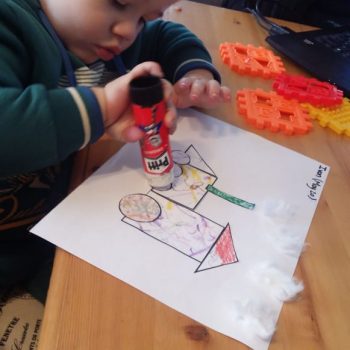
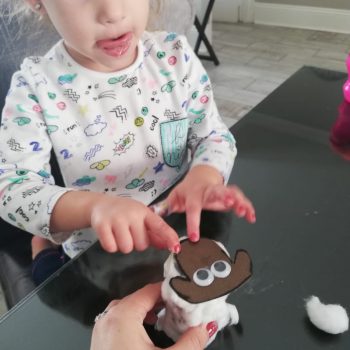
1- to 2-year-olds should be given a thick tube of glue which they can use on the worksheet. Show them where they should spread the glue. You can also put some fluid glue in empty containers which they can spread using a paint brush or sponge. Let them add textures such as sand, wool, pasta, grass or paper snippets to the glue on the worksheet. Do not do the work for them. You’ll be surprised by what they are able to do on their own. 3- to 5-year-old children should be able to spread the glue on their own. They can start to spread the glue on smaller surfaces, such as the pictures they have cut out or pieces of pasta.
Shapes
Textures
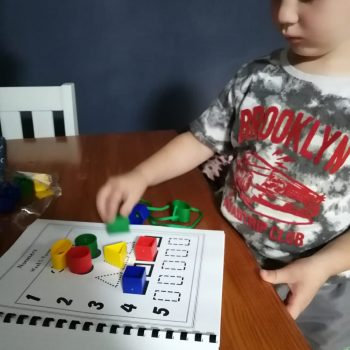
For 1- to 2-year-olds you will show a circle, talk about the circle and show associations. Repetition is of the utmost importance, as well as using as many senses as possible. The more practical and visual the lesson or explanation, the better the child will be able to understand. First start out by saying, for e.g. “Here is jour nose.” As soon as the child understands this and can name a nose by themselves, move on to saying, “We use our nose to smell.” After the child understands this concept start making associations e.g. “Your nose is a triangle.” For 3-year-olds you can ask to paste a circle on the worksheet where they see one, while for 4- to 6-year-olds you will ask to complete the pattern on the worksheet. You can also ask them to colour different shapes the same colour or to tell you a theme-based story.
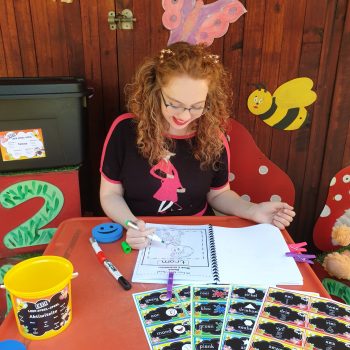
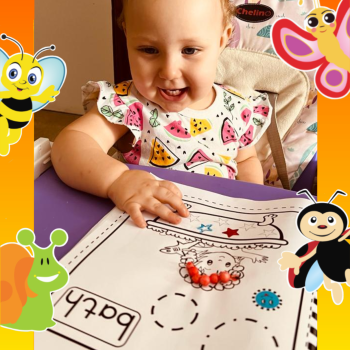
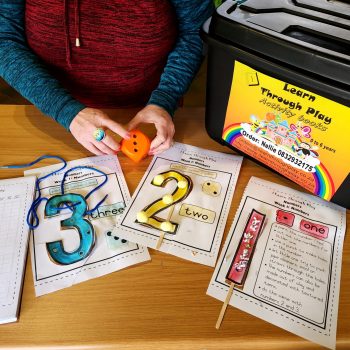
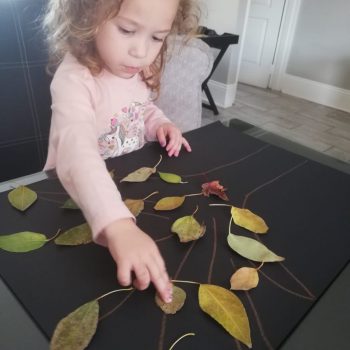
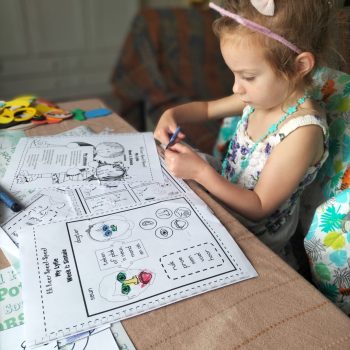
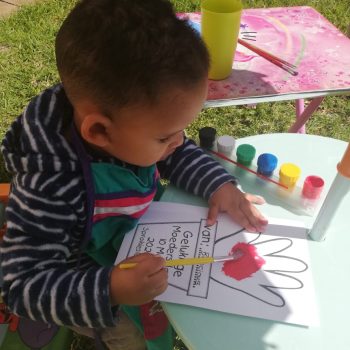
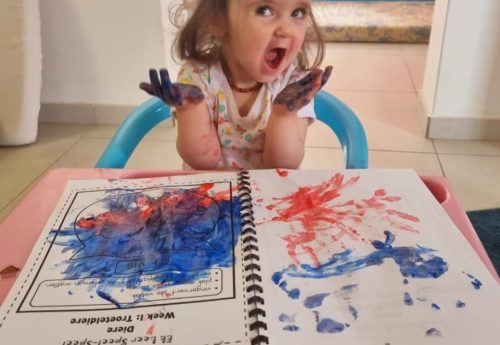
Children must learn different textures. They should feel them with their hands and feet. They start by eating rougher foods, then walking around barefoot and getting their hands dirty. This exposes them to different textures. This is also why our workbooks don’t have colour in them. The child should discover different colours and textures on their own by colouring, painting and pasting into the book to help them develop the needed skills. The whole point of this interactive workbook is to allow children to easily open it on a table or outside on the grass and then being allowed to paint, colour, cut and paste to their heart’s content.
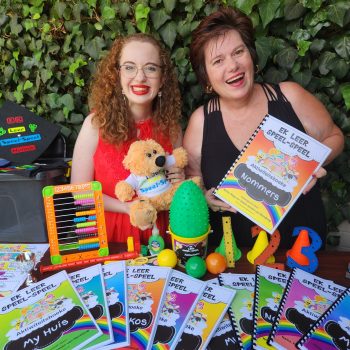
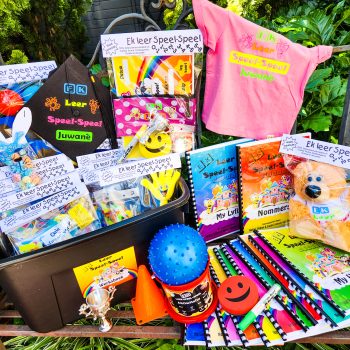
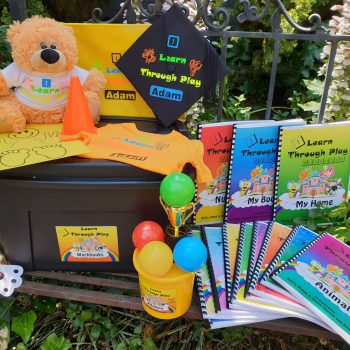
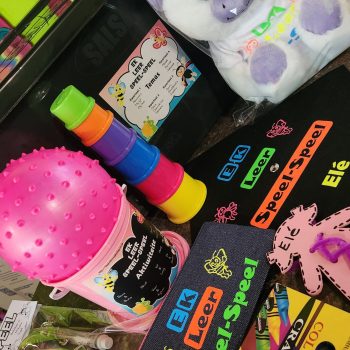
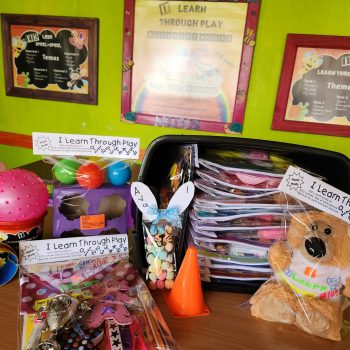
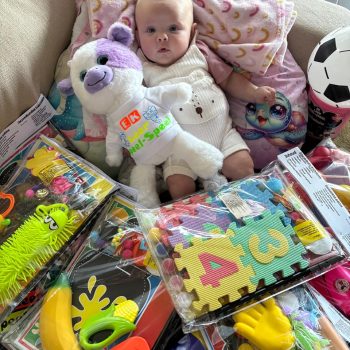
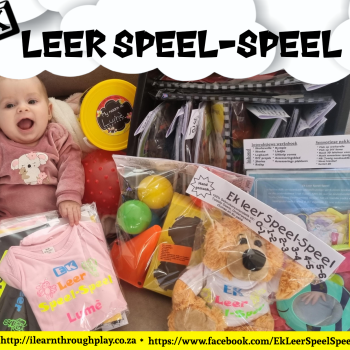
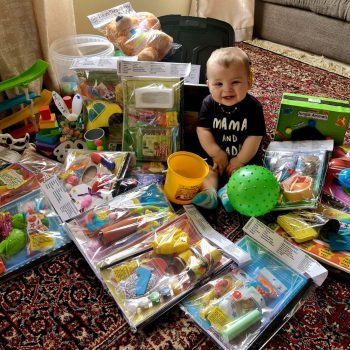
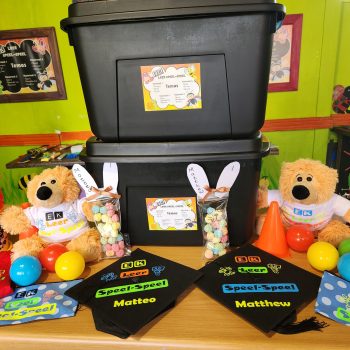
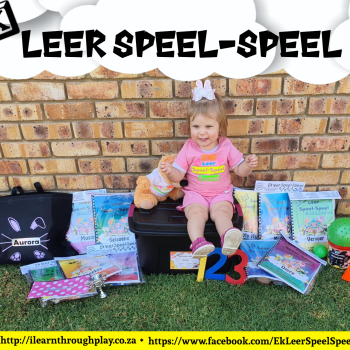
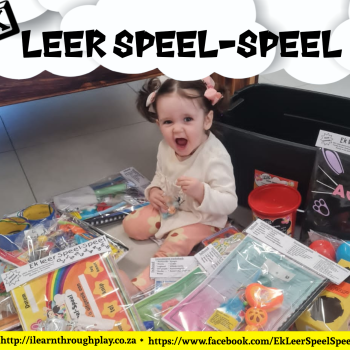
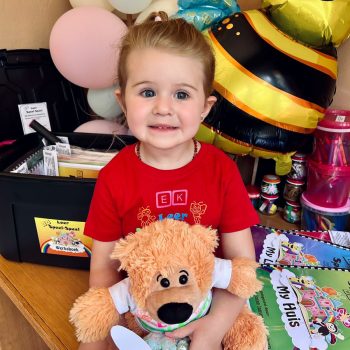
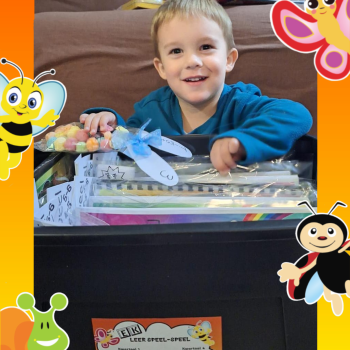
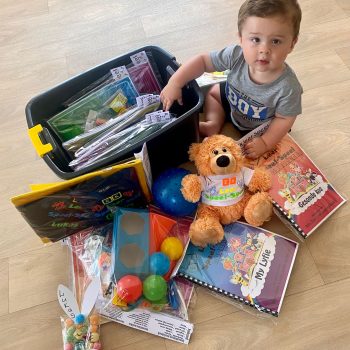
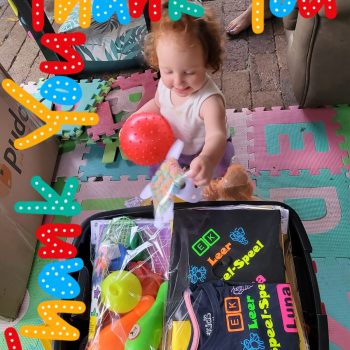
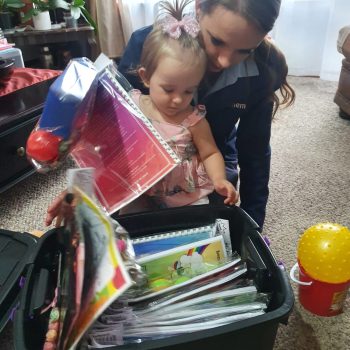
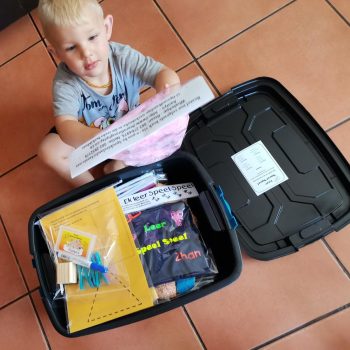
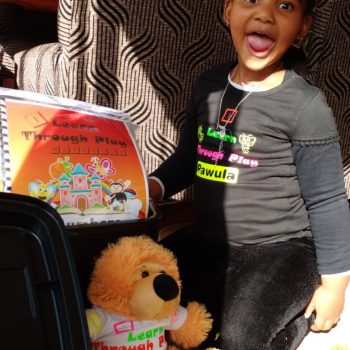
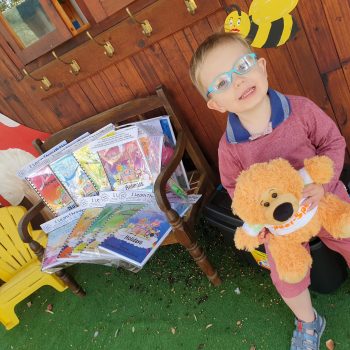
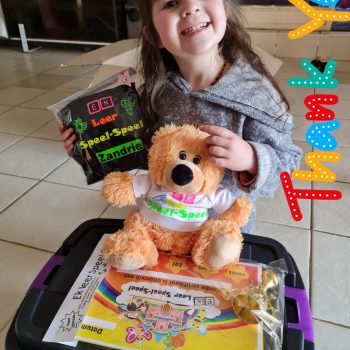
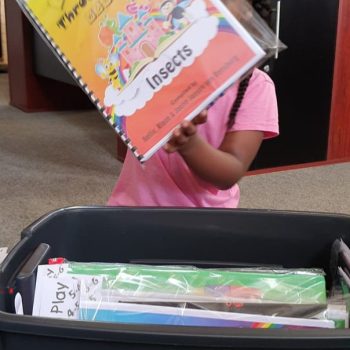
Activity Books For Toddlers 0-6 years With A Surprise Gift.
I Learn Through Play has 12x theme based interactive books per age.
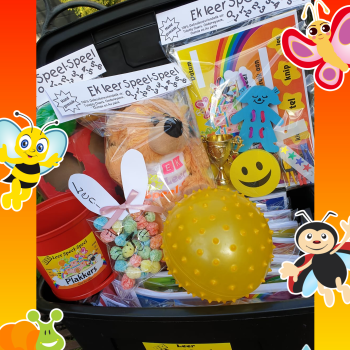
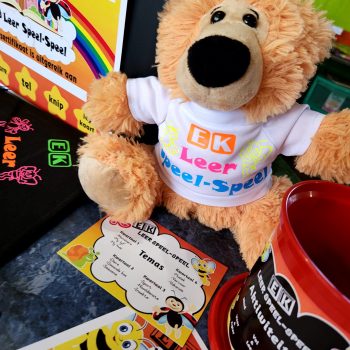
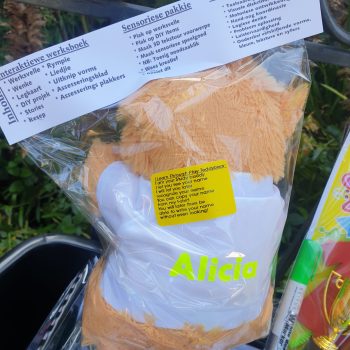
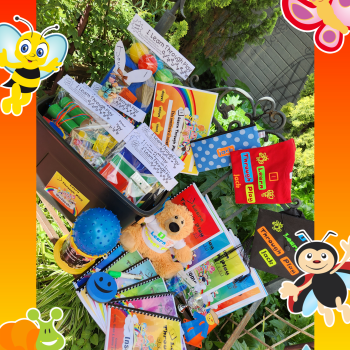
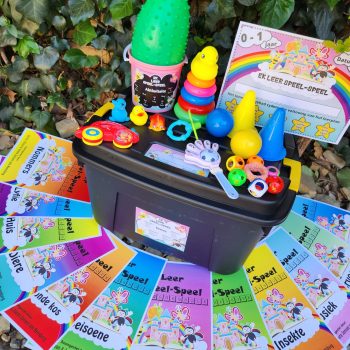
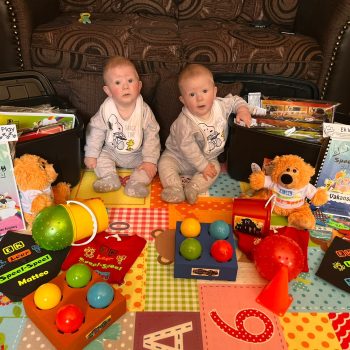
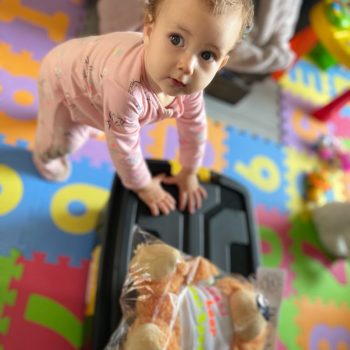
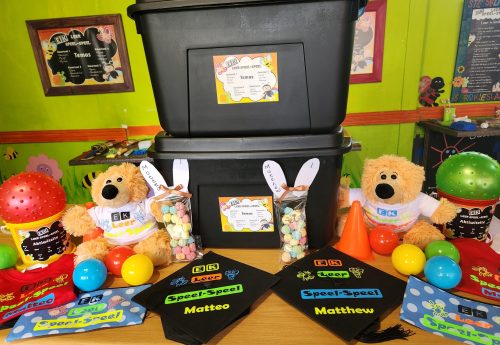
An educational gift is included with each activity book which is relevant to the theme. (Surprise gifts vary according to age group.)
Most stationary is included.
These books are available in English and Afrikaans
Have fun learning and playing!